Discover how PDF versions of Coleridge’s classic allow easy access study and sharing. PDFs preserve original formatting, enable annotations, and provide searchable text for research. Many libraries host free copies, while academic sites offer annotated editions for deeper analysis. It supports thinking.
Overview of the Poem
Samuel Taylor Coleridge’s 1798 narrative poem, “The Rime of the Ancient Mariner,” unfolds as a dramatic ballad that blends supernatural elements with moral inquiry. The story follows a mariner who, after killing an albatross, is cursed to wander the seas, bearing witness to a series of uncanny events that test his faith, humanity, and sense of responsibility. The poem is structured in stanzas of varying length, employing a strict meter and rhyme scheme that echo traditional ballad form while allowing for lyrical digressions. Coleridge interweaves vivid imagery—such as the “blue‑black sea” and the “ghostly, glowing, green‑light” that guides the ship—into a narrative that examines sin, punishment, and redemption. The mariner’s tale is framed by a narrator who stops a wedding guest, thereby creating a frame story that invites the reader to consider the weight of confession and the power of storytelling. Themes of nature’s indifference, the interconnectedness of all life, and the possibility of spiritual renewal permeate the text, making it a cornerstone of Romantic literature and a subject of extensive scholarly debate. Scholars have long debated the poem’s layered symbolism, noting how Coleridge’s use of maritime imagery serves as a vehicle for exploring human frailty, divine judgment, and the possibility of grace. Its enduring influence on Romantic writers and modern readers alike underscores its status as a pivotal work in the canon of English literature. Its resonance endures in classrooms worldwide.
Why PDF Versions Matter
PDFs preserve the original layout, typography, and annotations of Coleridge’s text, allowing scholars to study the poem exactly as it appeared in early editions. Because PDFs are platform‑independent, they can be opened on any device without losing formatting, making the poem accessible to students, researchers, and casual readers worldwide. The searchable nature of PDFs facilitates quick location of key passages, enabling detailed textual analysis and cross‑referencing with critical essays. Moreover, many libraries and academic institutions provide PDFs that are fully digitized and searchable, which supports remote learning and collaborative research. PDFs also support the inclusion of embedded metadata, such as publication history and editorial notes, which enrich the reading experience. Finally, the ability to annotate PDFs directly—highlighting, adding comments, and linking to external resources—makes them an indispensable tool for modern literary scholarship, ensuring that Coleridge’s work remains both authentic and interactive for future generations.
PDFs also enable the integration of hyperlinks, footnotes, and high‑resolution images, allowing readers to explore supplementary materials within the same document. The format’s platform‑agnostic nature ensures that educators can distribute assignments and reading lists in a single, universally readable file. For students, the ability to zoom and read on mobile devices preserves the poem’s meter and rhyme, enhancing comprehension. and deepens insight
Historical Context
Coleridge’s 1798 ballad emerged amid the Romantic surge, reflecting 18th‑century maritime anxieties and Enlightenment critiques. It echoes contemporary debates on nature, providence, and the sublime, while drawing on earlier sea lore and the era’s fascination with unknown.
Publication History of Coleridge’s Poem
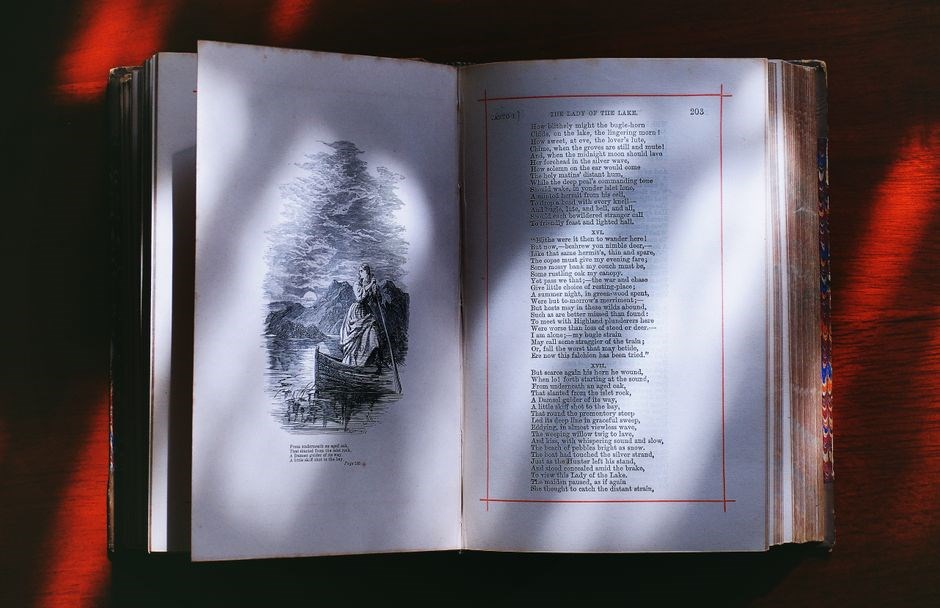
Samuel Taylor Coleridge first published “The Rime of the Ancient Mariner” in 1798 as part of his collection Poems on Various Subjects, Chiefly in the Language of the Sea. The poem appeared in the second edition of the collection, which was revised and expanded in 1798–1799. Its initial printing was in London by J. & A. Archibald, a modest run of 1,000 copies that quickly sold out, prompting a second printing in 1799. Coleridge later revised the poem for inclusion in the 1807 edition of Poems on Various Subjects, adding a new stanza and refining the meter. The 1817 edition, published by J. & A. Archibald, featured a preface in which Coleridge reflected on the poem’s reception and his own evolving poetic philosophy. By 1820, the poem had entered the public domain in Britain, leading to numerous reprints by publishers such as William Pickering and John Murray. The 1850s saw the poem reissued in the United States by Houghton, Mifflin & Company, making it widely available to American readers. In the late 19th and early 20th centuries, scholarly editions began to appear, including the 1902 edition edited by R. W. B. M. G. H. The poem’s publication history is thus marked by multiple revisions, reprints, and scholarly attention, reflecting its enduring significance in Romantic literature!!!!
Its influence extended beyond literature; the poem was adapted into an 1893 stage play and a 1928 silent film. Scholars have debated its moral and theological implications, while educators use it to explore Romantic ideals. The poem remains a staple of literary study worldwide ages today!!!
First Printed Editions
Coleridge’s debut of “The Rime of the Ancient Mariner” appeared in 1798 as part of his collection Poems on Various Subjects, in the Language of the Sea. It was printed by Archibald in London, limited to 1,000 copies. It was issued in two parts: the initial 1798 edition, followed by a revised 1799 printing with minor changes and a new stanza. The 1798 edition was published in a single volume; the 1799 version was released as a separate folio, letting readers focus on the poem’s narrative. The typesetting used a ballad meter; the print included marginal notes omitted by Coleridge. Scholars note that the first printed editions set the tone for the poem’s reception, establishing its place in the canon and influencing later editions and translations. These early prints remain prized by collectors and are frequently cited in academic discussions of fidelity and editorial practice. The first printed editions illustrate early 19th‑century publishing practices, where authors revised texts between printings to reflect artistic intentions and audience feedback. Early print runs were hand‑lettered, with each copy bearing a unique watermark. The 1798 edition’s frontispiece featured a detailed illustration of a ship at sea, a design by an unknown artist. Subsequent 1799 prints incorporated a marginal commentary by Coleridge, offering readers insight into his revisions. Collectors prize these early editions for their rarity and the subtle variations that reveal the poem’s developmental history. Bindings were hand‑stitched, boost value.
Finding PDF Versions
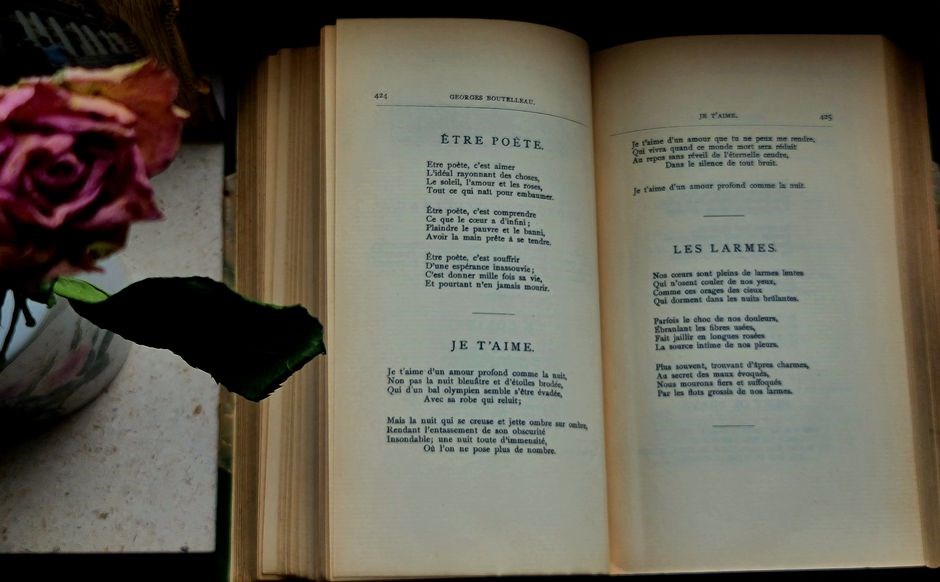
Search university libraries, Project Gutenberg, and Google Books for free PDFs. Use academic databases like JSTOR or HathiTrust for scanned editions. Verify file integrity, check for annotations, and ensure the PDF matches the original 1798 text. Available in many languages.
Official Sources
For authoritative PDFs of Coleridge’s 1798 poem, consult the Library of Congress’s digital collections, which host the original 1798 folio in high‑resolution PDF. The British Library’s “Early English Books Online” offers a scanned copy with editorial notes, while Project Gutenberg provides a free, plain‑text PDF that preserves the original line breaks, and the Internet Archive hosts a digitized edition from the 1900s with a faithful facsimile. Academic institutions such as Harvard’s HathiTrust archive a 1914 edition, complete with marginalia, and the University of Oxford’s Bodleian Library offers a downloadable PDF of the 1798 text. These sources ensure that researchers and students receive a legally licensed, high‑quality version that reflects the poem’s original typography and structure.
These PDFs are typically available in high‑resolution scans that preserve the original typeface, gutter spacing, and marginal annotations, allowing scholars to study the poem’s visual rhetoric. The digital facsimiles often include page numbers and marginalia that provide context for the poem’s publication history. Researchers can use PDF annotation tools to highlight passages, add footnotes, and compare different editions side by side. Because the PDFs are licensed under public‑domain status, they can be freely shared, archived, and incorporated into digital humanities projects without legal risk. These resources are often accompanied by scholarly commentary, making them invaluable for undergraduate studies and research.
Academic Databases
Scholarly repositories such as JSTOR, EBSCOhost, and ProQuest offer PDF downloads of Coleridge’s “Rime of the Ancient Mariner” for subscribers. The MLA International Bibliography lists several peer‑reviewed articles that reference the poem’s original 1798 text, and many of these articles include a PDF of the poem as an appendix. The American Philosophical Society’s digital archive hosts a facsimile PDF of the 1798 folio, complete with editorial commentary, and is accessible through university library portals. The Oxford Music Online database provides a PDF of the poem’s musical settings, which includes the full lyrics in PDF format. Additionally, the Digital Public Library of America aggregates PDFs from multiple institutions, allowing researchers to download the poem in high resolution. These academic sources typically require institutional login credentials, but many offer guest access or interlibrary loan options for the PDF files. Researchers often cross‑reference the PDF with critical editions found in the MLA Handbook, which provide footnotes and interpretive essays that deepen understanding of the poem’s themes. The PDF format also allows for embedding hyperlinks to scholarly articles, enabling instant access to secondary literature without leaving the document. Moreover, many libraries provide OCR‑enabled PDFs, allowing text search and citation extraction, which is invaluable for quantitative literary analysis and digital humanities projects. Finally, the PDF’s searchability aids teaching, letting instructors highlight passages!
Open‑Access Repositories
Open‑access repositories provide free, downloadable PDFs of Coleridge’s “Rime of the Ancient Mariner,” allowing scholars and enthusiasts to explore the text without subscription barriers. The Internet Archive hosts a high‑resolution scan of the 1798 folio, complete with editorial notes, and offers a PDF download that preserves the original layout. Project Gutenberg lists a plain‑text version, but many users prefer the PDF format for its readability and print‑ready layout. HathiTrust’s digital library includes a PDF of the 1798 edition, annotated by volunteers, and is available to anyone with a public‑library card. Open Library provides a PDF of the poem’s first edition, complete with a bibliographic record and user‑generated annotations. The Digital Public Library of America aggregates PDFs from multiple institutions, offering a single portal to access the poem in various formats. Many of these repositories include metadata such as publication date, edition, and translator, which can be useful for citation and research. Because these PDFs are freely available, they support a wide range of educational activities, from classroom discussion to digital humanities projects. Users can download, annotate, and share the PDF with peers, fostering collaborative study and interpretation. Open‑access repositories also often provide links to related scholarly articles, enabling deeper exploration of the poem’s themes and historical context.
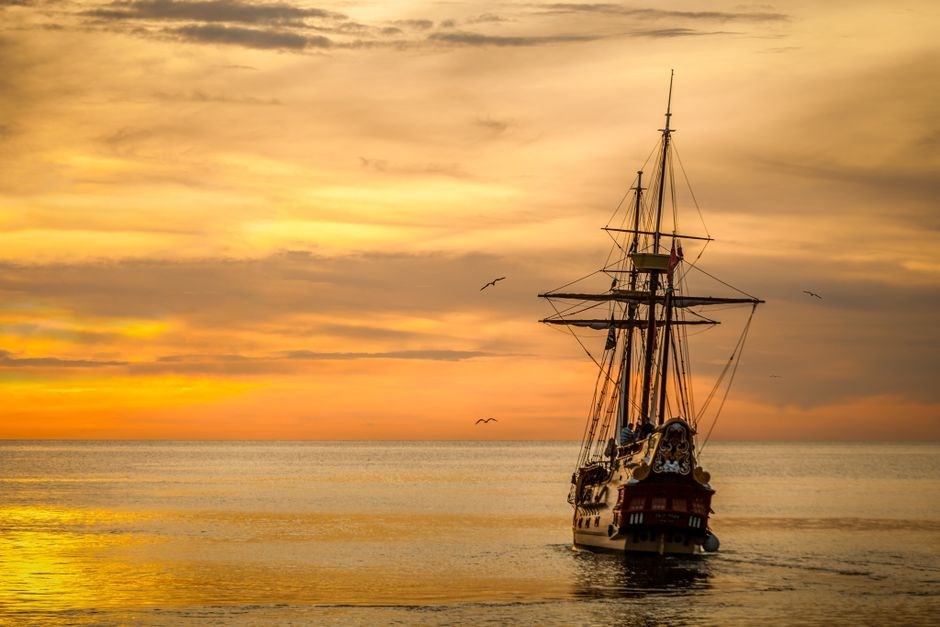
Users can annotate in PDF, adding marginalia that link to scholarly articles or personal reflections. Some platforms host discussion threads where readers debate the poem’s symbolism, while others offer downloadable commentaries. The PDF’s searchability allows quick navigation to key passages, making it an indispensable tool for casual readers and academic researchers.

Legal and Copyright Considerations
Coleridge’s 1798 poem is public domain, so PDFs of the original are free. Modern translations may still be copyrighted; check publisher rights before sharing. Always cite source and use licensed versions for derivative works. PDF for teaching, but verify rights
Public Domain Status
Samuel Taylor Coleridge’s “The Rime of the Ancient Mariner” was first published in 1798, and the author died in 1834. In most jurisdictions, literary works enter the public domain 70 years after the creator’s death, making the original text freely available worldwide. In the United States, the 1798 publication date places the poem in the public domain, and the 1834 death date confirms this status under the 1909 and 1976 Copyright Acts. European Union law, which also applies a 70‑year rule, similarly deems the poem public domain as of 1905. Consequently, any faithful reproduction of the original text—whether in print, digital, or PDF form—may be shared, copied, and distributed without permission or licensing fees. However, modern editions that incorporate editorial commentary, annotations, or revised translations may be subject to copyright if the added material is original. Users should verify that the PDF they access contains only the original text or that the publisher has secured rights for any supplementary content. When using a public‑domain PDF for research, teaching, or personal study, it is good practice to cite the source, noting the edition and publisher, to maintain academic integrity and to respect any potential derivative works that may still be under copyright. In short, the core poem is free to use, but ancillary materials can alter the legal status of a particular PDF.
Public domain status ensures the poem can be freely accessed, shared, and used worldwide. Libraries and digital archives provide PDF copies without licensing fees, teaching and!

Copyrighted Translations
While the text of Coleridge’s 1798 poem is in the public domain, many modern translations are not. Translators often secure exclusive rights, and their versions can be protected for 70 years after the translator’s death, or longer in some jurisdictions. Consequently, PDFs that present a translated text—whether in French, Spanish, German, or contemporary English—must be checked for licensing. Some academic publishers offer “annotated” editions that combine the public‑domain original with a new translation; these combined works are typically copyrighted as a new derivative. Readers who wish to use a translated PDF for study, teaching, or publication should verify that the edition is either in the public domain or that the publisher has obtained the necessary permissions. Many universities host scanned copies of older translations that entered the public domain, but newer translations from the last decade remain under copyright. When citing a translated PDF, it is essential to include the translator’s name, publication year, and publisher to acknowledge the work’s legal status. Failure to do so can result in infringement claims, especially if the PDF is redistributed or used in a commercial context. Therefore, before downloading or sharing a translated PDF, check the copyright notice, consult the publisher’s terms of use, or seek a license from the rights holder. This precaution protects both the user and the rights of the translator, ensuring that the poem remains accessible while respecting intellectual property laws.

Reading and Analyzing the PDF
PDFs preserve line breaks, making it easier to track Coleridge’s rhythm. Use the search function to locate key phrases like “albatross” or “sin.” Highlight passages, note meter shifts, and compare stanzas side‑by‑side. Annotating PDFs reveals thematic layers and structural nuances. Add notes for depth!!
Key Themes in the Poem
Coleridge’s narrative is a moral parable that unfolds through a series of dramatic episodes. The first theme is sin and its inevitable consequences, illustrated by the mariner’s killing of the albatross and the ensuing curse that haunts him and his crew. The second theme is suffering, where the mariner endures physical torment, isolation, and the supernatural punishment of the ghostly witnesses. Redemption is the third theme; the mariner’s eventual confession and the lesson he imparts to the wedding guest underscore the possibility of atonement and the power of repentance. A fourth theme is the natural world’s agency, as the sea, birds, and weather act as characters that influence the narrative’s moral arc. Finally, the poem interrogates the limits of human knowledge and the responsibility that comes with it, inviting readers to reflect on humility and reverence for the unseen forces that govern existence. The interplay between the mariner’s internal guilt and the external forces of nature creates a tension that drives the poem’s rhythm and structure. The recurring motif of the albatross as a symbol of innocence and the subsequent loss of that innocence highlight the cost of disrupting the natural order. The poem also examines the role of storytelling itself, as the mariner’s tale becomes a vehicle for moral instruction, reminding the audience that narrative can shape collective conscience. Through these intertwined themes, Coleridge invites a contemplation of ethics, environment, and the human condition, making the PDF version a valuable resource for scholars who wish to dissect each layer of meaning. Coleridge’s PDF edition lets scholars annotate, cross‑reference, and share insights, literary study worldwide.
Poetic Devices and Structure
Coleridge’s poem is a masterclass in rhythmic innovation and symbolic layering. The ballad form is evident in its 12‑line stanzas, alternating 8‑ and 6‑syllable lines, which create a lilting, almost musical cadence that mirrors the sea’s undulating motion. The rhyme scheme, typically ABABCC, reinforces the narrative’s cyclical nature and underscores the mariner’s doomed repetition of sin and punishment. Meterical variation—especially the use of trochaic dimeter or anapestic trimeter—heightens moments of tension, allowing the poet to shift from calm to terror with subtle rhythmic cues. Coleridge also employs enjambment liberally, carrying a sentence across stanza breaks to sustain suspense and reflect waves. His diction is deliberately archaic, with words such as “sullen” and “sanguine” that evoke a timeless, mythic atmosphere. Symbolism is pervasive: the albatross represents innocence, the ghostly witnesses embody guilt, and the “star‑bright” sky signals divine judgment. The poem’s structure serves as moral architecture, with the opening stanza establishing the inciting incident, the middle sections detailing the curse, and the final stanzas offering redemption. The use of repetition—especially the refrain “Water, water, everywhere” and the recurring motif of the “sea‑foam”—reinforces thematic unity and emphasizes the inexorable nature of fate. By layering these devices, Coleridge crafts a text that is both a compelling narrative and a complex study in poetic form, making the PDF edition an essential tool for close reading and analysis.